







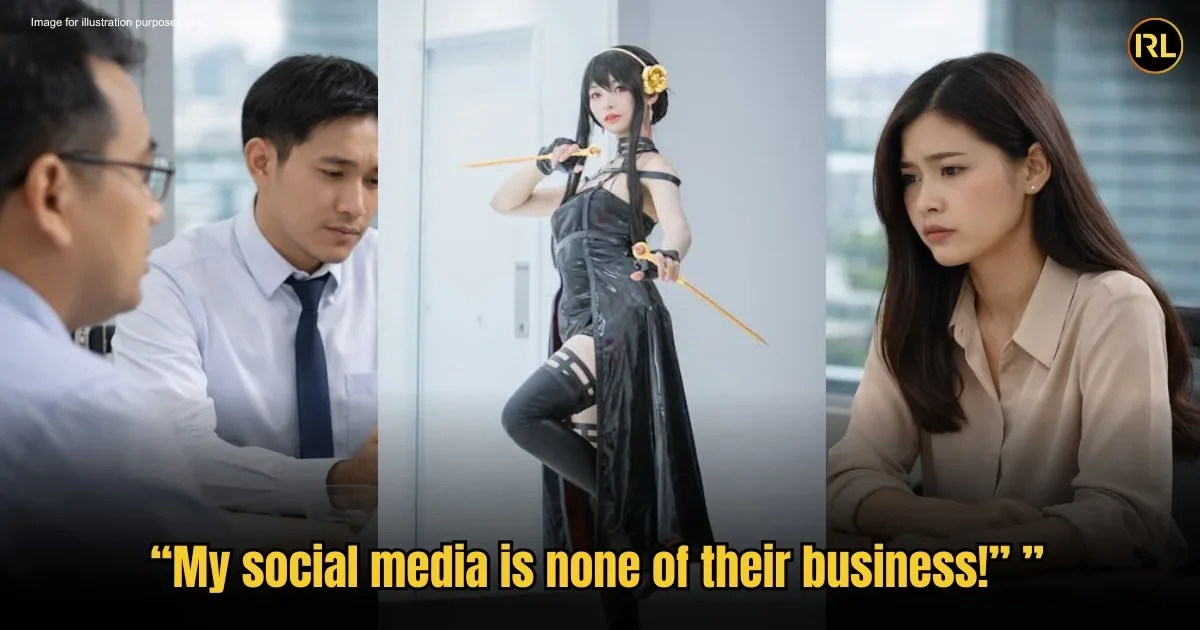
This story is about an employee who tried to protect their privacy, only to be treated like a troublemaker for refusing to turn their personal life into company property.
It all began with a casual suggestion from HR: “Maybe you should add everyone on Facebook and Instagram. It’s good for team morale and relationship building.”
I blinked. Excuse me? Bonding over what exactly? My hobbies? My personal life? I didn’t answer, because honestly, I was too uncomfortable to even start. This wasn’t about being antisocial. This was about boundaries.
I’ve always kept work and personal life separate. I don’t post office gossip on my personal accounts, and I don’t let colleagues wander into my hobbies. Sure, most people in my office follow each other online. I know I’m the odd one out. But just because everyone else does it doesn’t mean I have to. My life outside work is mine, not theirs.
How I got exposed without my consent
A new hire noticed I didn’t join the social media circle and assumed I was “antisocial.” Curious, she did some digging and found my cosplay and airsoft accounts. Then she clicked through my linked Patreon and Ko-Fi pages. After that, she shared all of it at the company Christmas party like it was casual gossip.
From that day, everything changed. People started looking at me differently. Conversations stopped when I walked into the pantry. Meetings felt awkward. Suddenly, my private life wasn’t private anymore. It was office property.
Office gossip and stereotypes
The reactions of my colleagues were everywhere. Most of them were frustratingly short-sighted and naive. They genuinely thought dressing up as fictional characters was immature. Others couldn’t tell the difference between cosplay and sex work. And somehow, airsoft was now sexualised tactical gear.
That narrow-mindedness is precisely why I never shared my private life in the first place.
I get called in to HR
My complaint was investigated, and the junior who outed me was punished. She received a warning letter and an official reprimand in her file. After a few weeks, things started to settle. I thought the matter was over. Then I got called in to HR.
My manager was present. By then, the narrative had flipped. I was now the problem because I had “undermined team spirit” and harmed the “office family” by not sharing my personal life. Apparently, I also failed to “respect different backgrounds.”
My manager was clearly uncomfortable, but he said nothing. I felt pity for him, but also disappointment. Crossing professional boundaries like this completely eroded my trust and respect for the company. His silence felt like tacit support and I lost all respect for him.
I couldn’t help thinking: I’m the one whose privacy was violated, and now I’m the one being questioned for following policy and procedure to protect it?
Privacy is not rebellion
Social media is personal. What I do in my private life is nobody else’s business. That’s why it’s called personal. There is no clause in my contract requiring me to share my hobbies or personal life. Being forced to reveal private details is dangerous. My own experience proves it. I wasn’t about to compromise myself just to satisfy office ignorance disguised as curiosity.
I took immediate action. I set all my accounts to private or followers-only. I enabled friend and follower reviews. I deleted underused accounts. Then I manually blocked colleagues, seniors, juniors, and even friends-of-friends from my Patreon and Ko-Fi.
It feels like hiding. It feels unfair. It’s exhausting. But it’s necessary.
Legal protection, compliance and quiet quitting
I documented every message, every incident, every awkward meeting and created offsite backups. Then I consulted a lawyer, not because I want to sue, but to protect myself because this will escalate into something.
To keep the peace, I made a disposable Facebook account using my work email and staff ID photo and “friended” everyone in the company and followed the company page. That account stays logged in on my work computer.
The plan is to like a few comments, and share official company posts to the page. This theatre satisfies HR’s “requirements” without giving up my privacy. It’s extra work, and I hate it.
I’m angry, drained, and disillusioned. I’m less loyal to the company because trust has been damaged, and I constantly feel under surveillance. I’ve quiet-quit. I’m polishing my CV and quietly reaching out to contacts.
I’ll wait for my CNY bonus, then I will decide my next move.
Just let me do my job.
What makes HR think that they can have unrestricted access to me? Why is my private life even a factor in “team culture?” I deliver my work. I meet targets. I’m not asking for approval or special treatment. I am demanding respect for my boundaries, and to keep my life outside work just that: mine.
Public versus private. Work persona vs real self. These lines are not blurry. They exist. They matter. For all of us.
Write in. Tell your story. Get paid.
Share your story on our Facebook page and you may become a contributor for In Real Life Malaysia.
Read also:
“My Uncle Cried When a Young M’sian Returned His RM3,800 Wallet,” Shares Niece of Elderly S’porean
“My Uncle Cried When a Young M’sian Returned His RM3,800 Wallet,” Shares Niece of Elderly S’porean
More from Office Drama
‘She didn’t even close the door!’ Shares M’sian Faces Office Toilet Chaos
This story is about a Malaysian woman whose picture-perfect corporate office turned into a nightmare when she discovered her new …

‘A Work Trip to the US Turned Into Babysitting Duty,’ Shares M’sian Forced to Share Room with Coworker
This story is about a Malaysian office worker who was sent to the US for work training, but faced unprofessional …
“I Got Suspended For Saving a Life,” shares Bitter M’sian Employee
This story is about a man who tried to save a colleague’s life, but instead found himself at the center …