


G Thanaletchumi, 48, from Kota Bharu, Kelantan, speaks the local dialect so thickly and naturally that listeners who cannot see her might assume she is Malay.
She is known affectionately as “Mek Kelate Mek Manis”, and as Bernama reported via FMT, her home blends Kelantanese habits with Indian traditions without any sense of conflict between the two. Ulam and budu are as familiar on her family’s table as curry and thosai, and when Deepavali approaches, the customs she grew up with stay firmly in place.
A dialect that does not replace a mother tongue
Thanaletchumi told Bernama, laughing, that people hearing her family without seeing them would think they are Malay.
She explained that speaking in the Kelantan dialect does not mean the family has forgotten Tamil, which they can still speak, and that the dialect has simply become part of how the Indian community in the state sees itself.
Her approach shows that two cultures can sit together in one household and that one does not have to push out the other.
Preparations that start two months early
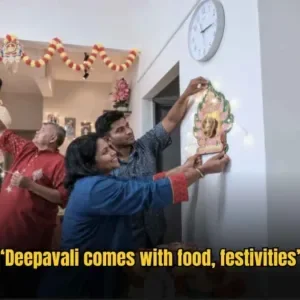
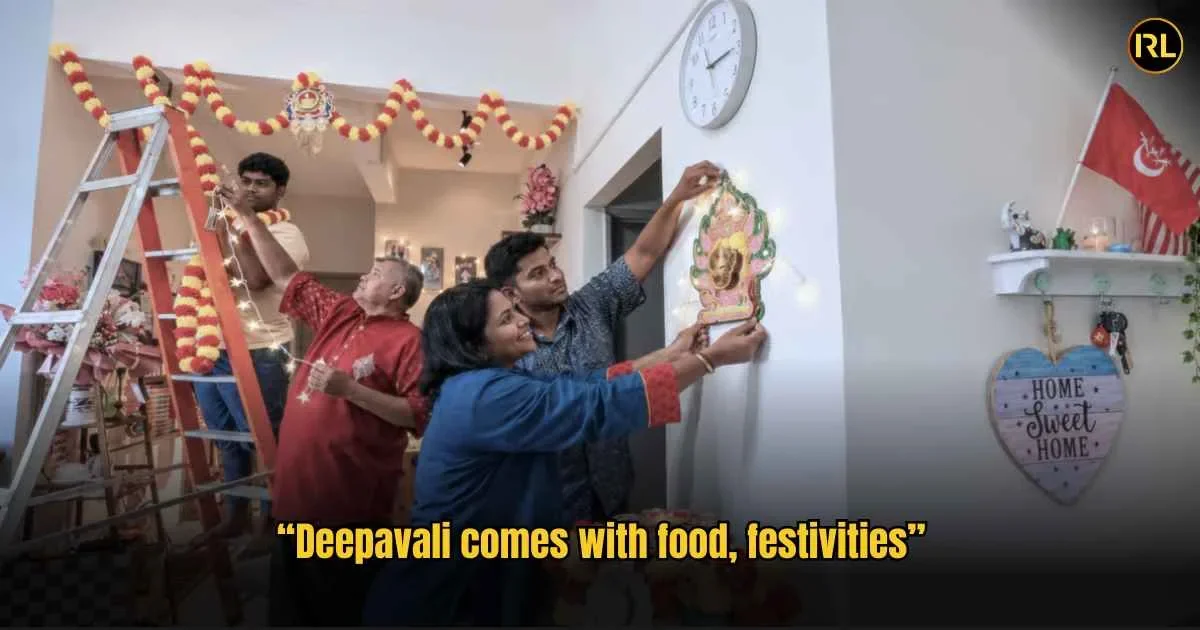
The festive routine begins about two months before Deepavali, when the family buys new clothes, plans the decorations and looks for ingredients. About two weeks before the celebration, the house gets a thorough clean, which is followed by a round of traditional snacks that includes murukku, nei urundai (ghee balls) and athirasam.
Murukku, she said, is a must in her home. On Deepavali morning, breakfast is often thosai served with mutton or chicken curry, a meal her Malay friends have come to look forward to almost as much as her own family does.
Some of them even ask about the menu a week ahead because they want to visit.
What she remembers most
For Thanaletchumi, the best part of the festival is the one she says is simplest, which is sharing food, love and happiness with people of different races.
In a few particularly busy years, so many guests arrived that the family could barely keep up and their Malay neighbours came over and helped to prepare the food when they saw the crowd.
She said that memory is the one she treasures most because it let her experience the warmth of Deepavali together with the local community
Passing it on to the next generation
Her husband, M S Murugaih, 51, believes the traditions will only survive if children are part of them from a young age, and that teaching the next generation how the family celebrates matters as much as keeping the recipes and rituals alive.
Their son, M Sai Siddhart, 19, has grown up between the two cultures.
He was the only Indian student among nearly 800 pupils at his secondary school, so he learned to mix easily with Malay friends from an early age.
What he enjoys most about Deepavali is still the simplest part, having relatives and friends gather under one roof
That may be what makes this family’s Deepavali feel both distinctly Kelantanese and deeply Indian. Budu can sit beside curry and the dialect can flow as easily as Tamil yet the festival still centres on what it always has, which is family, food, hospitality and the pleasure of sharing them. When a neighbour is willing to come into your kitchen and help, it suggests that a community is built from small, practical acts like these, rather than from big statements about harmony.
Submit your story to ym.efillaerni@olleh and you may be featured on In Real Life Malaysia.
Read also: ‘I gave up my family to pursue my dreams’ Shares 34 YO M’sian woman – In Real Life
https://inreallife.my/i-gave-up-my-family-to-pursue-my-dreams-shares-34-yo-msian-woman/
‘I gave up my family to pursue my dreams’ Shares 34 YO M’sian woman
More from Celebrations

“We Crammed 6 People in a Myvi,” Malaysians Share Their Favorite Hari Raya Stories
In Real Life readers share their personal stories showcasing the beautifully chaotic, hilariously unpredictable moments that make Hari Raya truly …